

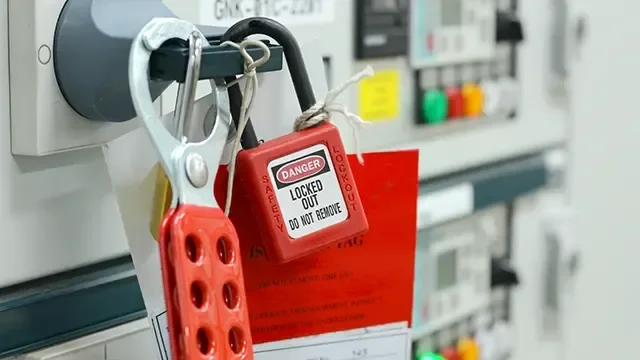
Why LOTO Programs Fail: Gaps Every Audit Uncovers
The hidden weaknesses behind lockout/tagout programs and how to fix them
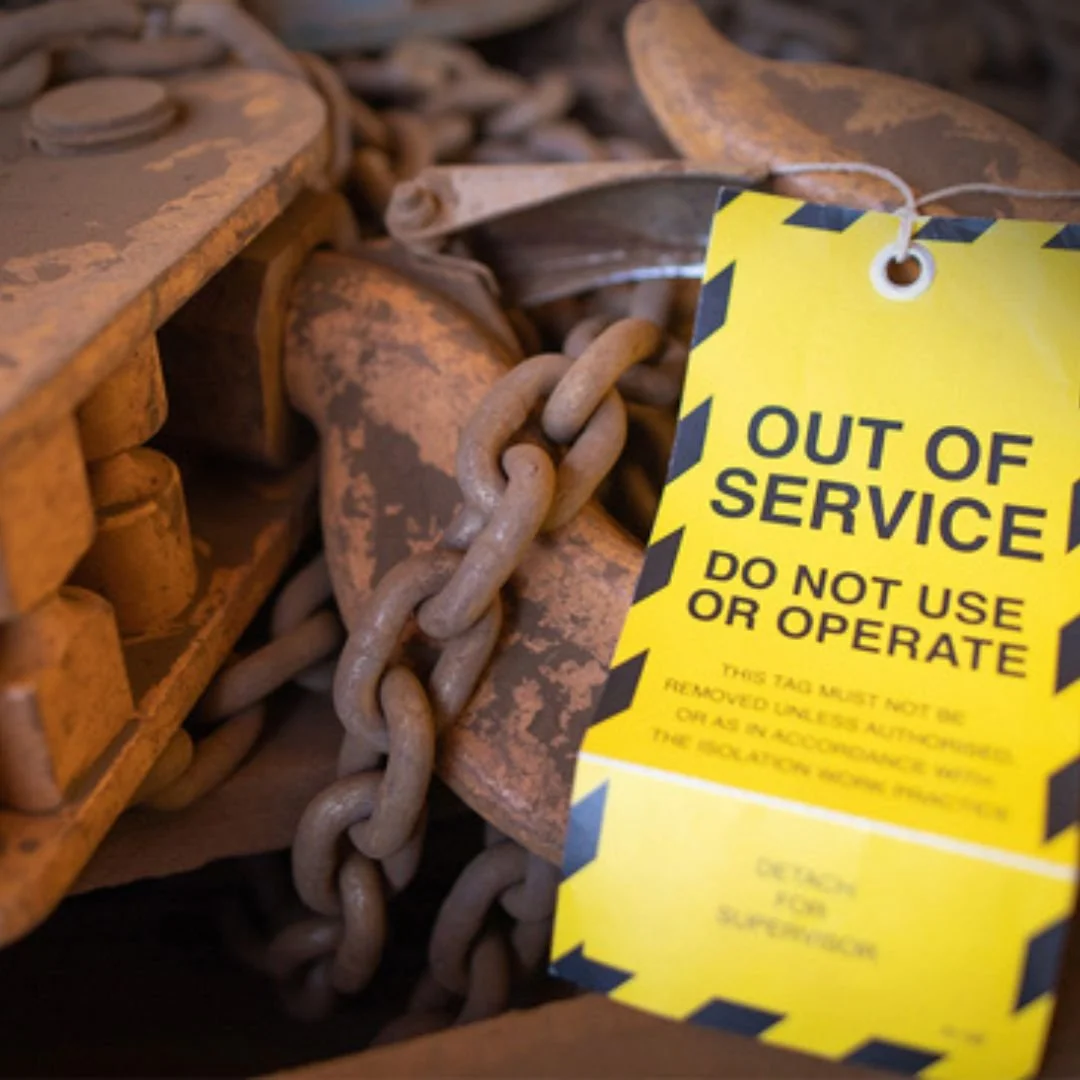
Maintenance Best Practices That Cut Downtime by 20%. (Including One You Wouldn’t Expect…)
Downtime is the silent killer of productivity in industrial operations. According to the SMRP Best Practices metrics, unplanned downtime can cost manufacturers hundreds of thousands per hour, and yet, many facilities still treat it as an unavoidable part of doing business.
It doesn’t have to be. Below are five proven best practices that can reduce downtime by up to 20%, plus one unexpected strategy at the end that most facilities overlook.
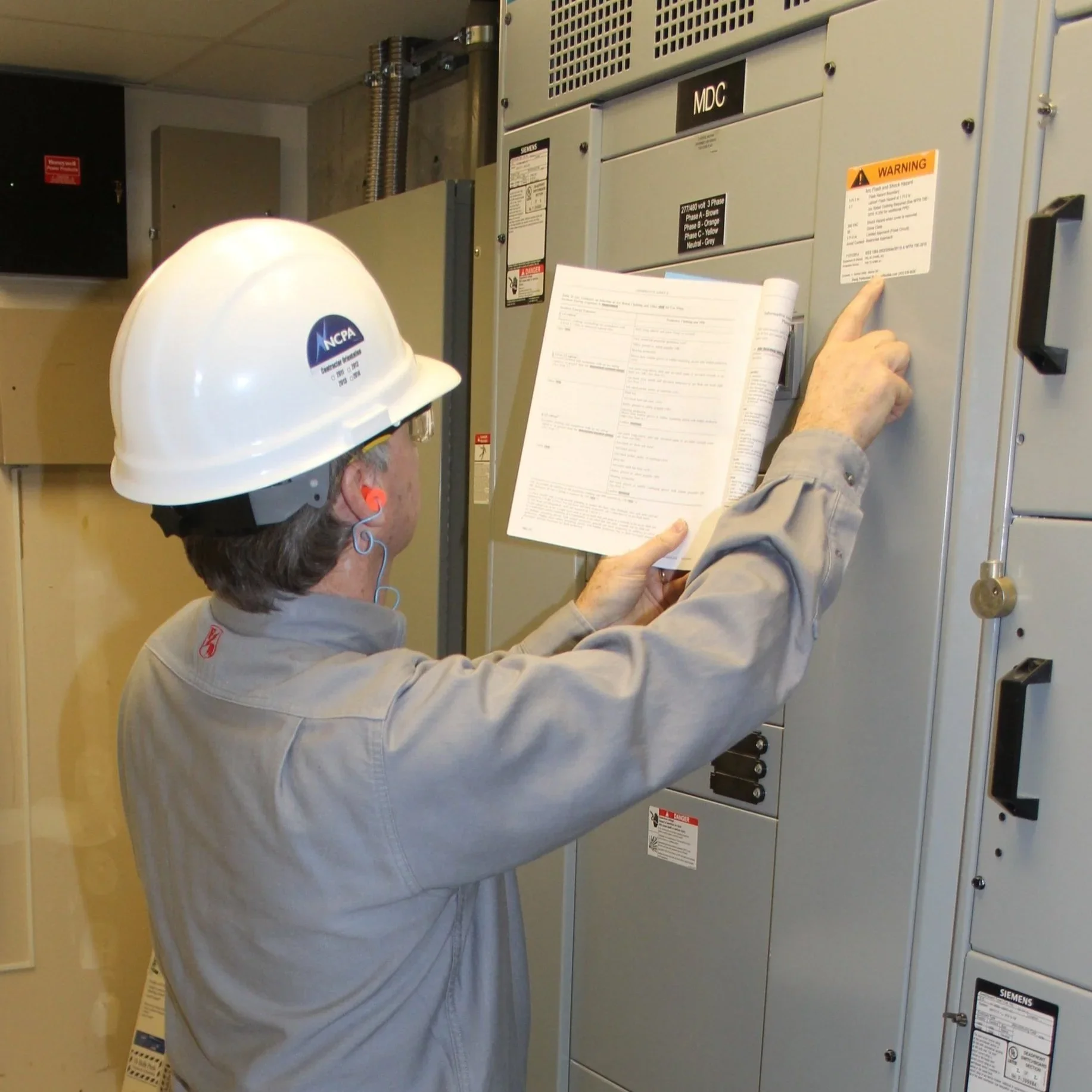
7 Questions to Ask When Developing Your Electrical Safety Policy
Why the right questions matter — backed by industry safety statistics
Developing an electrical safety policy isn’t just about checking a compliance box. Done right, it protects your people, reduces injuries and fatalities, and strengthens your culture of safety. But too often, organizations adopt generic language or standards without tailoring them to real workplace risks, and that’s where trouble starts.
Before you write or update your electrical safety policy, start by asking the questions below. Each one is grounded in real data about electrical hazards and risk, and will help you build clarity, effectiveness, and relevance into your program.
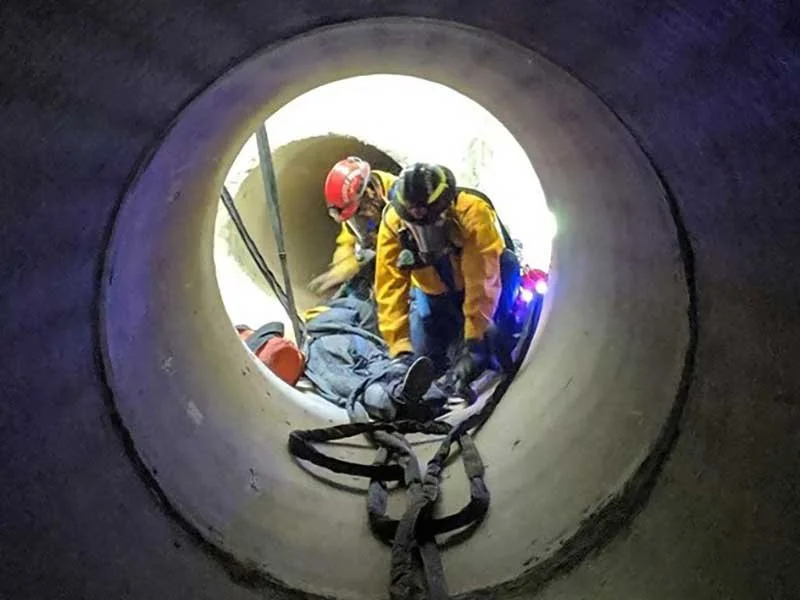
Rescue Ready: How to Develop a Confined Space Rescue Plan That Works
A practical guide for Ontario workplaces, beyond compliance, into real‑world readiness
Confined spaces are dangerous not just because of what’s inside, but because of how limited access, poor ventilation, and unpredictable conditions combine to create high-risk environments. A toxic atmosphere, a sudden engulfment, or a fall can turn routine work into an emergency, and without a well-developed rescue plan, lives are at stake.
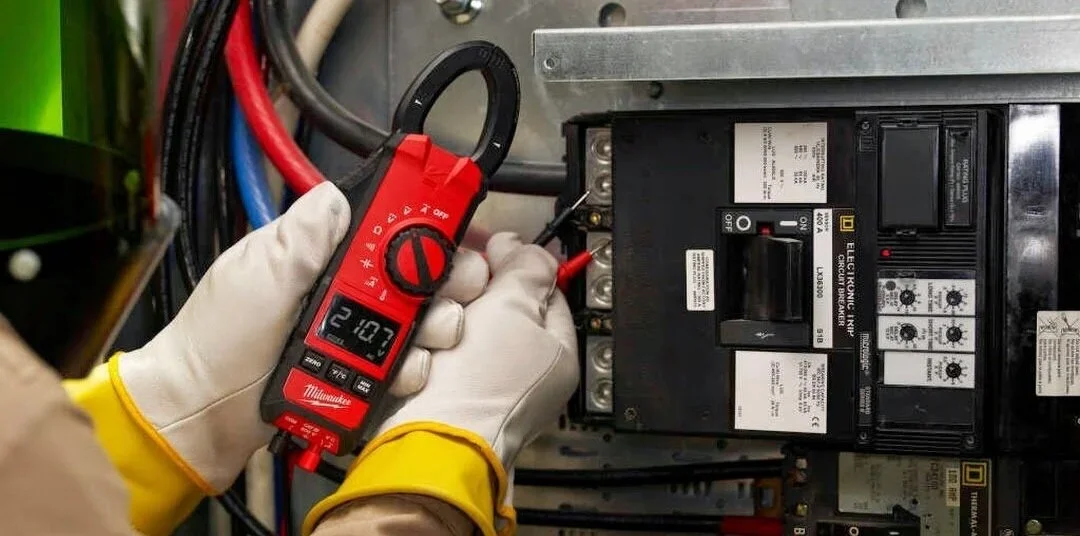
Electrical Safety Policy: When Is ‘Qualified Person’ Just a Title?
“Only to be performed by a qualified person.”
We’ve all seen the phrase in electrical policies and safety programs. But dig a little deeper and you’ll find a problem:
Qualified according to who? Based on what?
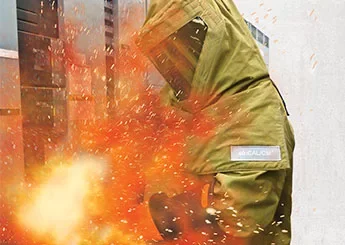
Qualified… or Just Assigned?
The Hidden Risk of Arc Flash Work Without Training
Too often in industrial workplaces, the phrase “qualified person” shows up in safety procedures like a magic incantation, assumed to mean someone safe, competent, and ready for arc flash work. But in many organizations, “qualified” is just a title on a training matrix, not a measurable competency.
Nowhere is this more dangerous than when work exposes people to arc flash hazards.

The Future of Industrial Safety With AI
Where AI Can Help, and Where It Shouldn’t
AI is showing up everywhere: predictive maintenance, smart PPE, risk scoring, safety observations. It’s exciting, but also concerning.
Here’s the bottom line: AI can support safety, but it shouldn’t replace judgment.

In Defense of Paper Forms
The Case for Simplicity in High-Stakes Environments
Everyone’s chasing digital systems, app-based checklists, cloud-based permits, dashboards galore. But sometimes, paper still wins.
Not because it’s flashy. Because it works.

The ‘Golden Rules’ of Industrial Safety… And Why Most Don’t Stick
Every company has them… "Golden Rules" of safety. They’re posted in lunchrooms, printed on badges, and repeated in onboarding. Don’t walk and text. Lock it out. Report hazards.
But just because it’s called a "golden rule" doesn’t mean it’s followed.
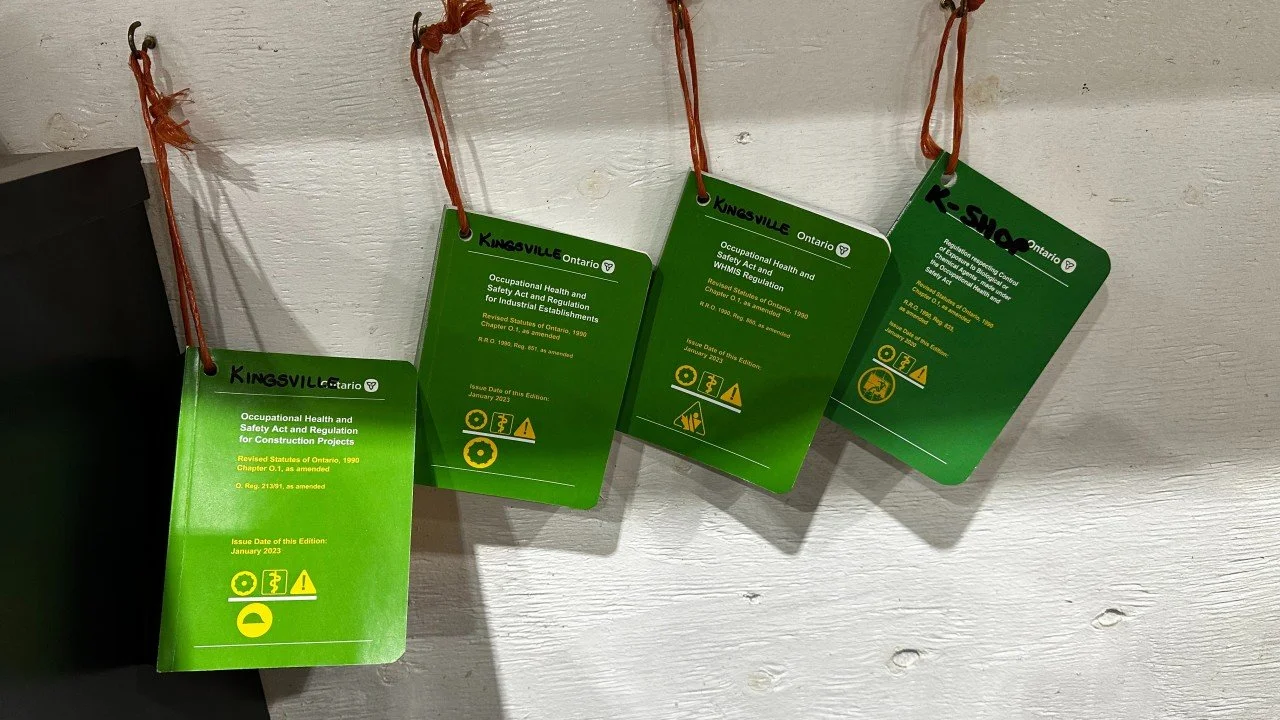
Don’t Just Copy the Green Book.
How to Write Safety Policies Your Workers Will Actually Read
Walk into any industrial facility and ask to see the safety manual. Nine times out of ten, someone will hand you a dusty binder or point you to a digital folder with documents that technically meet regulatory requirements… but no one’s actually read in years.
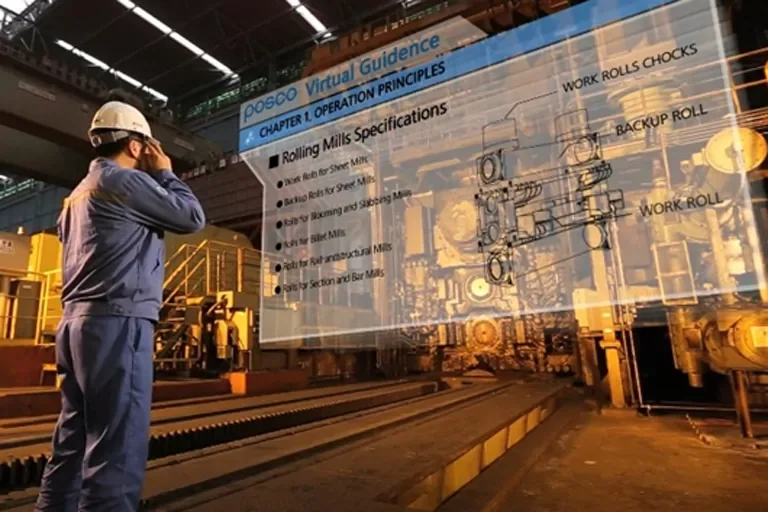
Microlearning for Heavy Industry
Lessons from the TikTok Generation.
Let’s face it—nobody on the shop floor is going to read a 97-page PDF safety manual.
Attention spans are shrinking, shift demands are rising, and today’s workforce isn’t just younger—they’re used to fast, visual, mobile content. So why are we still delivering training like it’s 1995?
Enter microlearning. Think of it as bite-sized, just-in-time learning—but designed for tradespeople, technicians, and supervisors who don’t have time to sit through an hour-long module just to remember where the fire extinguisher is.
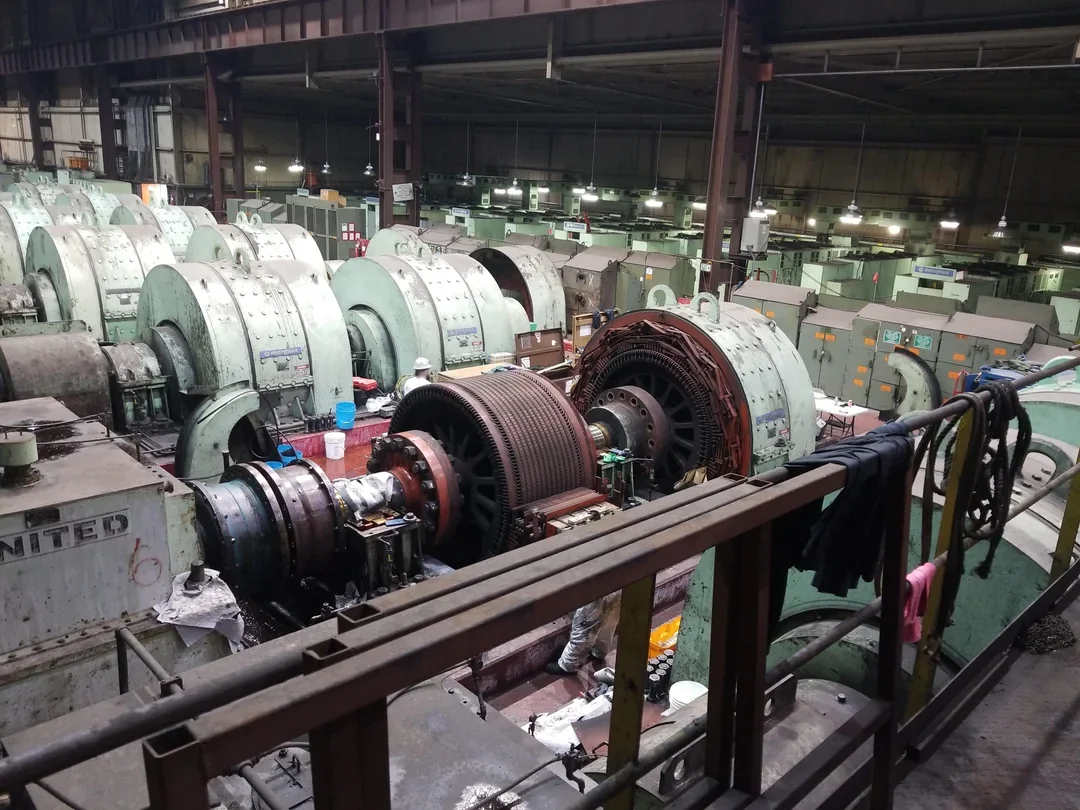
Why I Still Visit the Motor Room
A Consultant’s Take on Staying Grounded
When people hear the word “consultant,” they often picture boardrooms, spreadsheets, and PowerPoints. Maybe even a few buzzwords like “synergy” or “optimization.” But if you’ve worked with SparksPro, you know that’s not our style.
I still visit the motor room.